
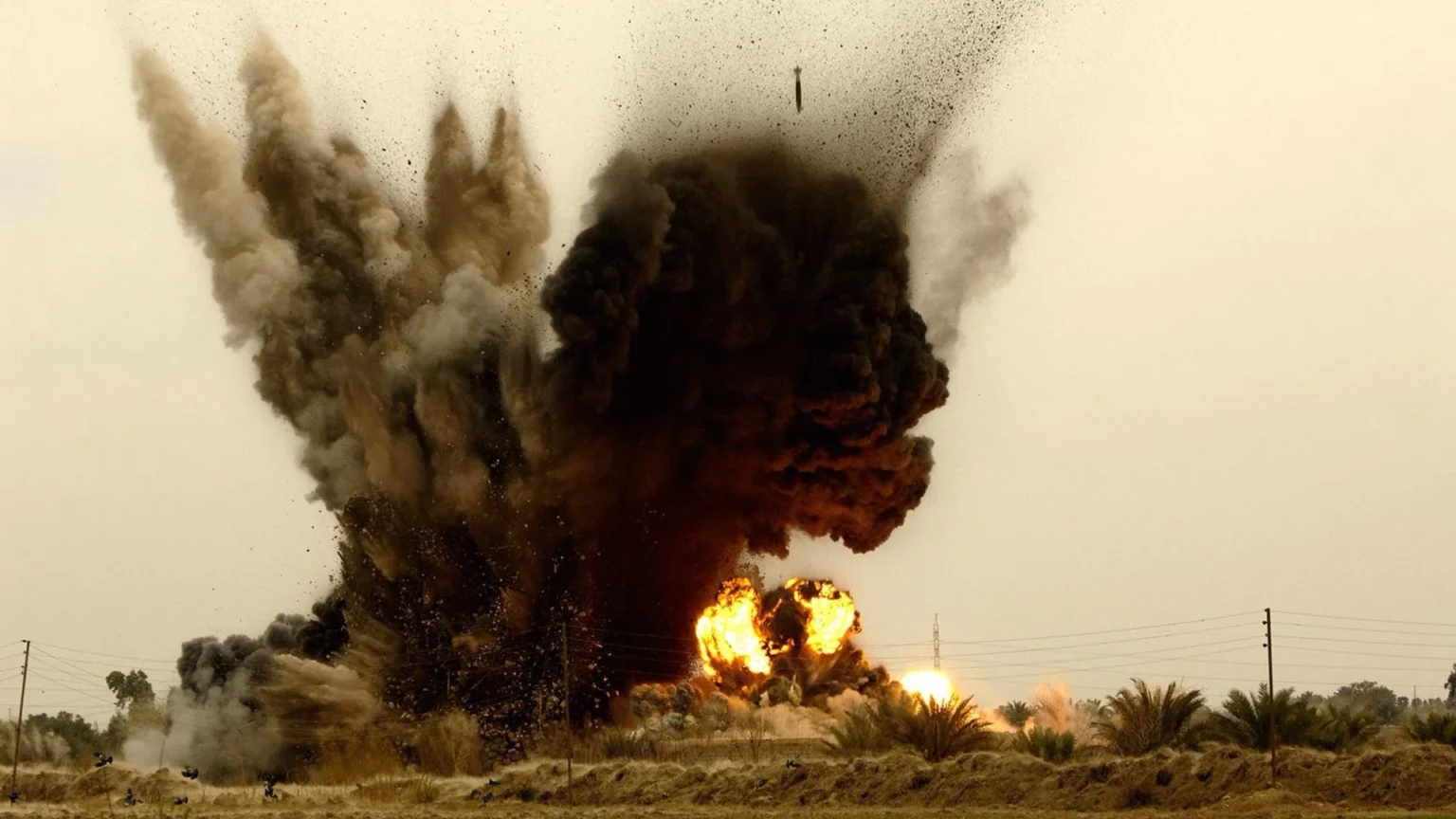

The recent massacre at Jilli Market has reignited a painful national conversation regarding the human cost of Nigeria’s decade-long war against insurgency. Since 2017, the Nigerian military has been implicated in the “accidental” deaths of at least 409 unarmed civilians during airstrikes intended for terrorists and bandits.
While the military often maintains that operations are intelligence-led and targeted at legitimate threats, the recurring nature of these “erroneous” bombings has sparked calls for systemic reform, legislative hearings, and a re-evaluation of the “value of a Nigerian life.”
A Timeline of Erroneous Airstrikes
| Date | Location | Reported Death Toll | Context |
|---|---|---|---|
| Jan 17, 2017 | Rann IDP Camp, Borno | 115+ | A jet mistakenly bombed a camp for displaced persons; 6 Red Cross workers were among the dead. |
| Dec 18, 2022 | Mutumji, Zamfara | 64 | NAF strike aimed at bandits reportedly hit “innocent” villagers. |
| Jan 24, 2023 | Doma, Nasarawa | 50 | Strike hit herders retrieving seized cattle; military cited intelligence on terrorist activity. |
| Dec 3, 2023 | Tudun Biri, Kaduna | 120 | An Army drone strike hit villagers during a religious celebration (Maulud). |
| Dec 25, 2024 | Surame, Sokoto | 10 | Airstrikes targeting the “Lakurawa” group hit Gidan Sama and Rumtuwa villages. |
| Apr 11, 2026 | Jilli Market, Borno/Yobe | 50+ | Strike hit a busy weekly market; military maintains it was an ISWAP logistics hub. |
Export to Sheets
The Jilli Market Dispute: Intelligence vs. Reality
The latest incident at Jilli Market has exposed a significant rift in the narrative provided by security forces and local leaders.
- The Military’s Defense: Lt. Col. Sanni Uba of Operation Hadin Kai stated that the strike followed “sustained intelligence” tracking motorcycle and gun-truck movements of ISWAP terrorists. NAF spokesperson, Air Commodore Ehimen Ejodame, confirmed that the Civilian Harm Accident and Investigation Cell has been activated to conduct a fact-finding mission.
- The Governor’s Stance: Borno State Governor Babagana Zulum defended the military on Sunday, asserting that the Jilli market had been officially shut down five years ago—implying that any gathering at the site was suspicious.
- The Critics: Islamic cleric Sheikh Ahmad Gumi has called on the Senate to hold immediate public hearings into these “repeated mistakes,” questioning who authorizes bombings in areas known to be populated by civilians.
Accountability and Global Comparisons
The debate has been further amplified by opposition leader Atiku Abubakar, who compared the $300 million spent by the U.S. to rescue a single pilot in Iran this week to the perceived “collateral damage” status of Nigerian citizens.
Amnesty International and other human rights organizations have repeatedly warned that the failure to prosecute officers responsible for these errors breeds a culture of impunity. While the military has established investigation cells, rarely have the findings led to public court-martials or significant changes in Rules of Engagement (ROE) that prevent strikes on civilian-dense areas like markets and religious festivals.
What’s Next?
As the fact-finding team heads to the Borno-Yobe border today, April 13, the National Assembly is under intense pressure to move beyond “condolences” and exercise its oversight function. For the families in Jilli and the hundreds of others since 2017, the question remains: how many “mistakes” are acceptable in the pursuit of national security?

As a contributor to digital news portals, I create content that highlights real-world experiences and evolving viewpoints. My writing combines clarity with relevance to engage readers effectively. I am committed to delivering content that is both informative and relatable.


