
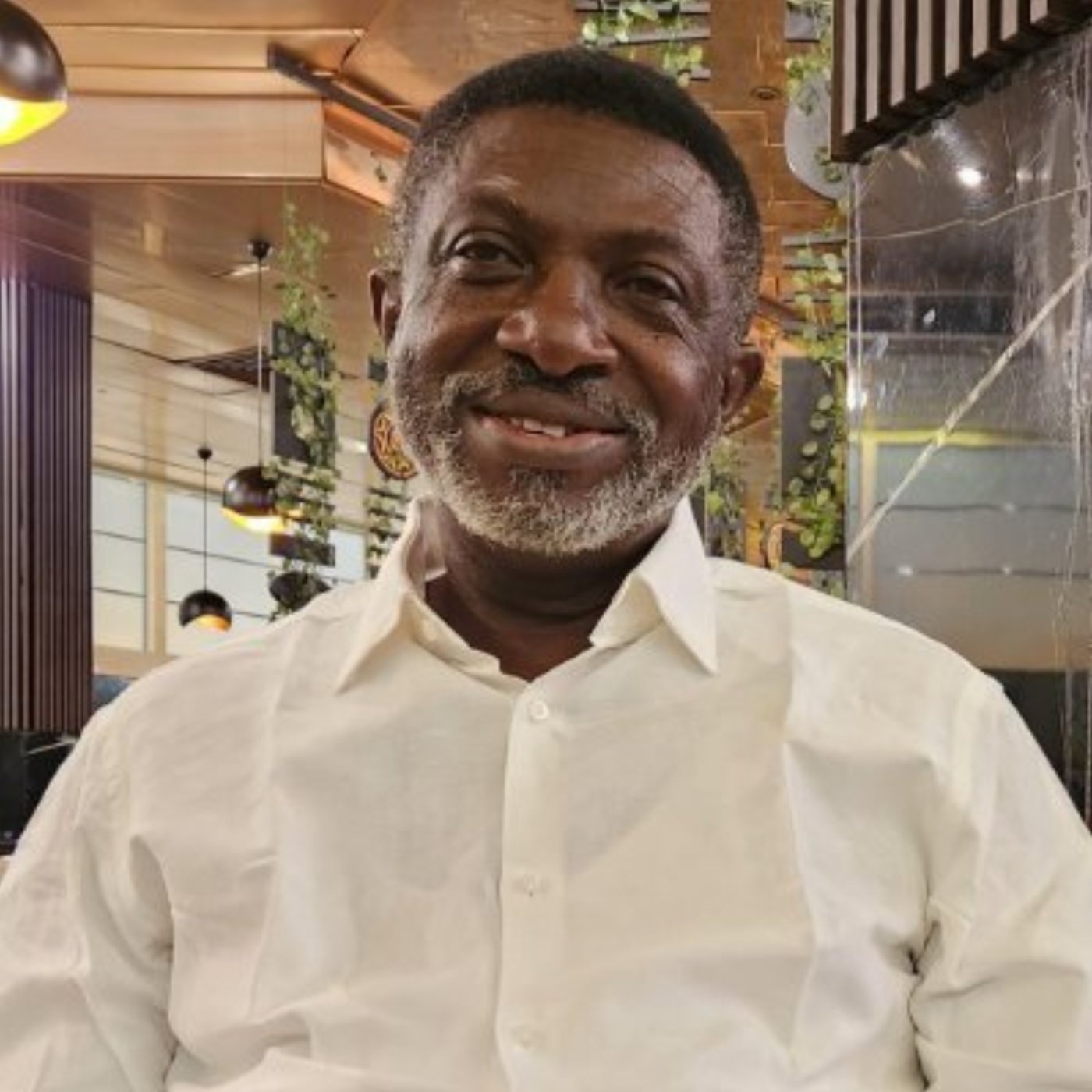

Paul Ibe, the Media Adviser to former Vice President Atiku Abubakar, has launched a scathing verbal attack on the Presidency, accusing the executive arm of directly interfering in the administrative decisions of the Independent National Electoral Commission (INEC). The confrontation followed recent remarks by Bayo Onanuga, the Special Adviser to the President on Information and Strategy, concerning the ongoing leadership crisis within the African Democratic Congress (ADC).
The dispute escalated after Onanuga posted a provocative statement on social media targeting the ADC, following INEC’s decision to de-recognize the party’s current National Working Committee. In his post, Onanuga wrote: “Just continue your illegality, the lawless ADC. The dog that wants to get lost in the forest will ignore the hunter’s whistle.”
Reacting to the metaphor, Paul Ibe dismissed Onanuga’s involvement as an overreach, suggesting that the Presidency’s intense interest in the internal affairs of an opposition party points to a deeper level of collusion. Ibe likened Onanuga’s stance to that of a person “crying louder than the bereaved,” implying that the Presidency may be the hidden architect of the ADC’s current legal and administrative woes.
“When a man is crying louder than the bereaved, just like you are doing now, there’s a likelihood he is the one who killed the person,” Ibe stated. He further alleged that the Atiku media office has “good authority” that the official INEC statement—which de-listed the ADC leadership—was not authored within the commission’s headquarters but was instead “generated in the Presidency.”
The allegation brings renewed scrutiny to the neutrality of the electoral umpire under its new Chairman, Professor Joash Amupitan (SAN). Since assuming office in October 2025, Amupitan has faced increasing pressure from opposition coalitions, including the ADC and the New Nigeria Peoples Party (NNPP), who argue that recent interpretations of the Electoral Act 2026 and court judgments have disproportionately favored the interests of the ruling All Progressives Congress (APC).
The ADC crisis reached a boiling point earlier this week when INEC cited a March 12 Court of Appeal judgment as the basis for removing the names of Senator David Mark and Rauf Aregbesola from its portal. While INEC maintains it is simply adhering to the “status quo ante bellum” as directed by the court, Ibe and other opposition figures contend that the move is a tactical attempt to “decapitate” the opposition ahead of the 2027 general elections.
In a swift rebuttal, Onanuga defended the government’s position, urging the ADC to stop blaming President Bola Tinubu for its “self-inflicted” organizational challenges. He argued that the opposition’s tendency to cry foul over legislative reforms—specifically the 2026 Electoral Act—is a symptom of their unpreparedness for the upcoming polls.
As of Saturday evening, INEC has not officially responded to Ibe’s claim that its statements are being ghostwritten by the Presidency. However, the exchange has further polarized the political atmosphere in Abuja, with the “Opposition Coalition” signaling plans to challenge INEC’s administrative neutrality in court.
Political analysts suggest that the escalating friction between Atiku’s camp and the Presidency over third-party party crises indicates a tightening of alliances among opposition leaders. The outcome of the substantive suit regarding the ADC leadership at the Federal High Court is now seen as a litmus test for how the Amupitan-led INEC will navigate the high-stakes environment leading into the 2027 January elections.

As a contributor to digital news portals, I create content that highlights real-world experiences and evolving viewpoints. My writing combines clarity with relevance to engage readers effectively. I am committed to delivering content that is both informative and relatable.


