
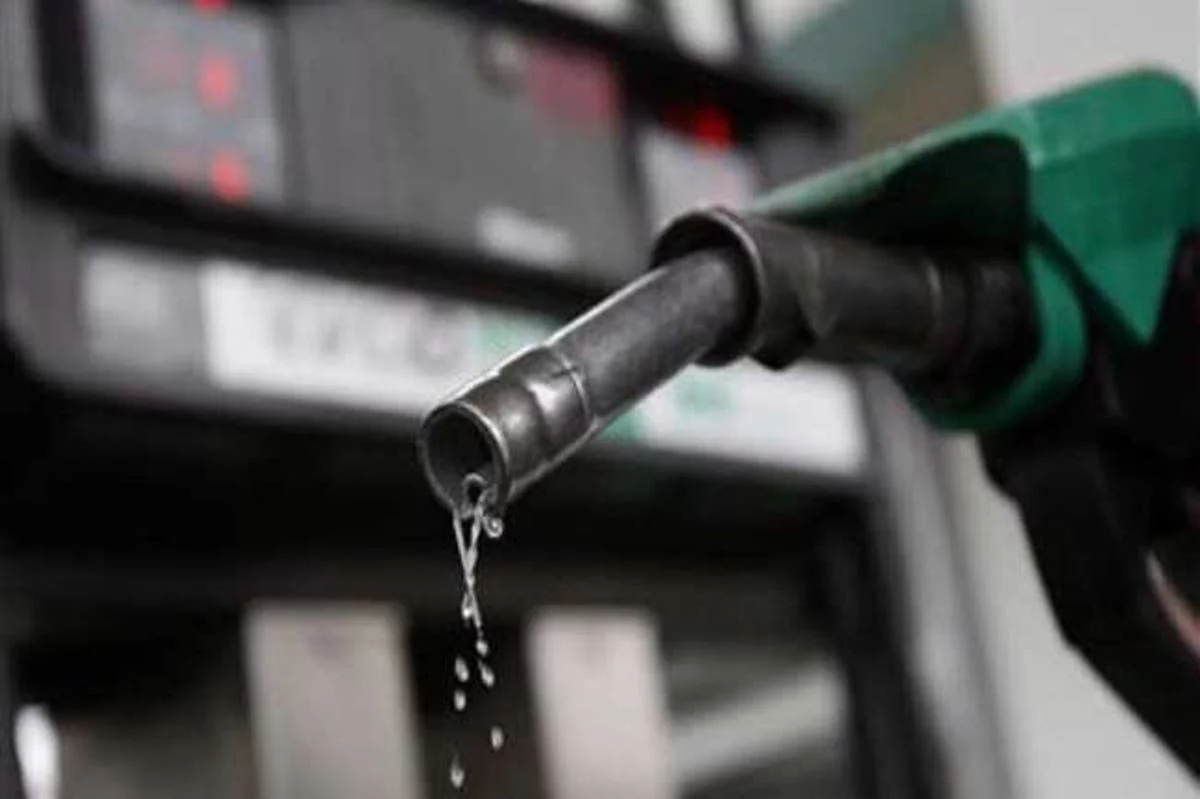

Several independent petroleum marketing firms across Nigeria have initiated a downward adjustment of their retail pump prices, marking a significant shift in the downstream sector following weeks of sustained inflationary pressure.
Market surveillance conducted on Monday revealed that prominent retailers, including Ranoil and Empire Energy, have revised their pricing structures. Ranoil adjusted its petrol pump price to 1,370 Naira per litre, down from 1,440 Naira, representing a reduction of 70 Naira. Similarly, Empire Energy lowered its retail price to 1,383 Naira per litre from the previous 1,430 Naira, a 47 Naira decrease.
The price adjustments bring these independent marketers closer to the rates maintained by the Nigerian National Petroleum Company Limited (NNPCL) and MRS filling stations, which currently dispense the product at 1,361 Naira and 1,367 Naira per litre, respectively.
Industry insiders suggest that the move is primarily driven by market forces and the need for private retailers to remain viable in an increasingly competitive landscape. A station manager, speaking on the condition of anonymity, noted that the price review was a strategic response to current supply dynamics and the pricing benchmarks set by major distributors.
The local price reduction coincides with a sharp decline in the international energy market. Global crude oil prices plummeted by nearly 10 percent on Monday, with Brent Crude dropping to 100.20 Dollars per barrel and West Texas Intermediate (WTI) falling to 88.85 Dollars. This market volatility follows official confirmations from both United States and Iranian authorities regarding diplomatic talks aimed at de-escalating military tensions in the Middle East.
Economic analysts observe that the weakening of global crude prices has sparked renewed expectations for a further reduction in domestic costs. Specifically, attention is focused on the Dangote Refinery, where the gantry price for petrol stood at 1,245 Naira per litre following several upward reviews in March 2026. If the downward trend in international benchmarks persists, it is anticipated that local refinery prices may see a corresponding decrease, offering further relief to the Nigerian transport and manufacturing sectors.
The volatility of the Naira against the Dollar remains a critical factor in the final landing cost of refined products, but the current combination of increased domestic refining capacity and lower global oil prices suggests a potential period of stabilization for Nigerian consumers.
Regulatory bodies and consumer advocacy groups are monitoring the situation to ensure that the benefits of the global price drop are effectively passed down to the public across all geopolitical zones.

As a contributor to digital news portals, I create content that highlights real-world experiences and evolving viewpoints. My writing combines clarity with relevance to engage readers effectively. I am committed to delivering content that is both informative and relatable.


