
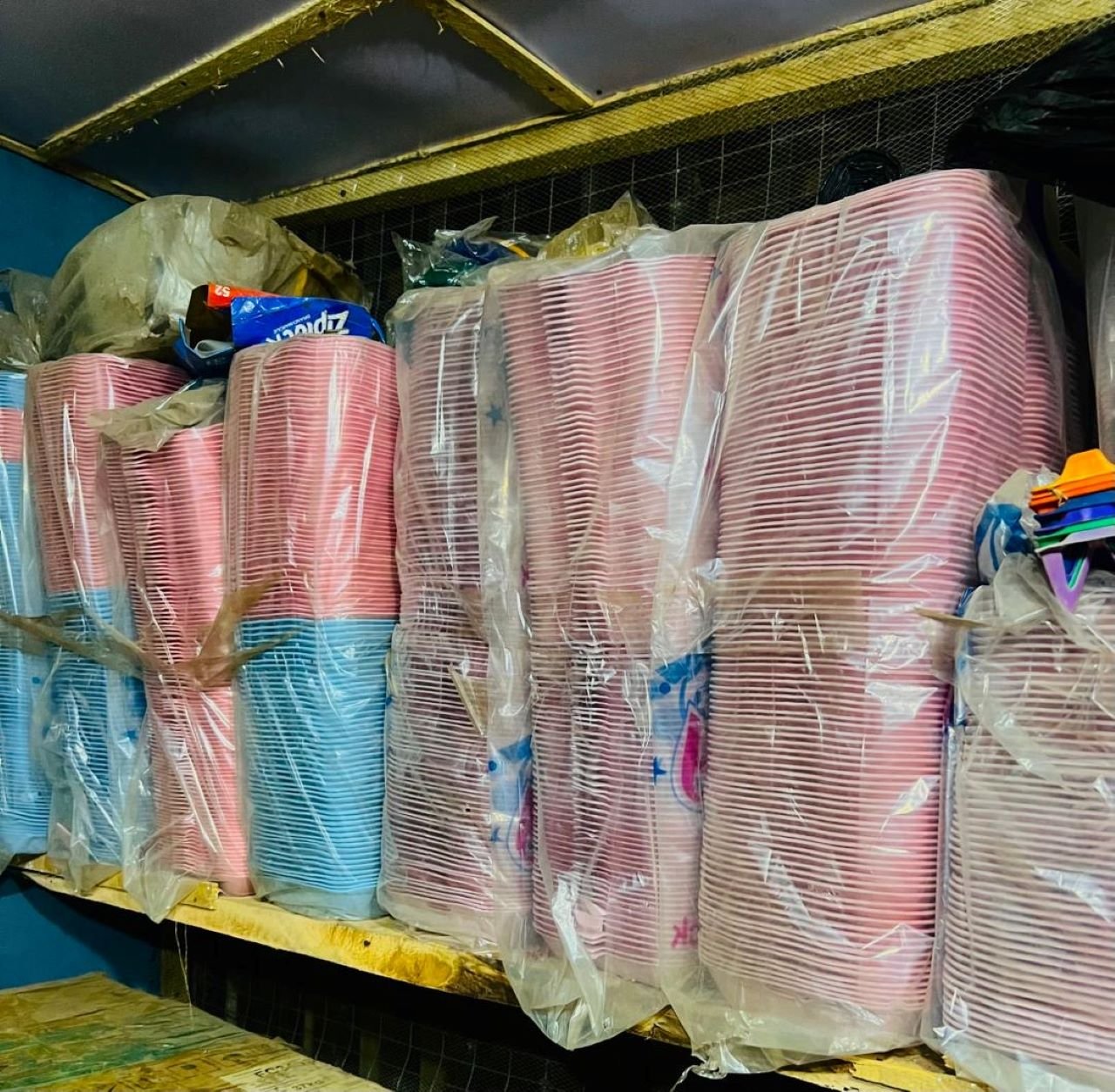

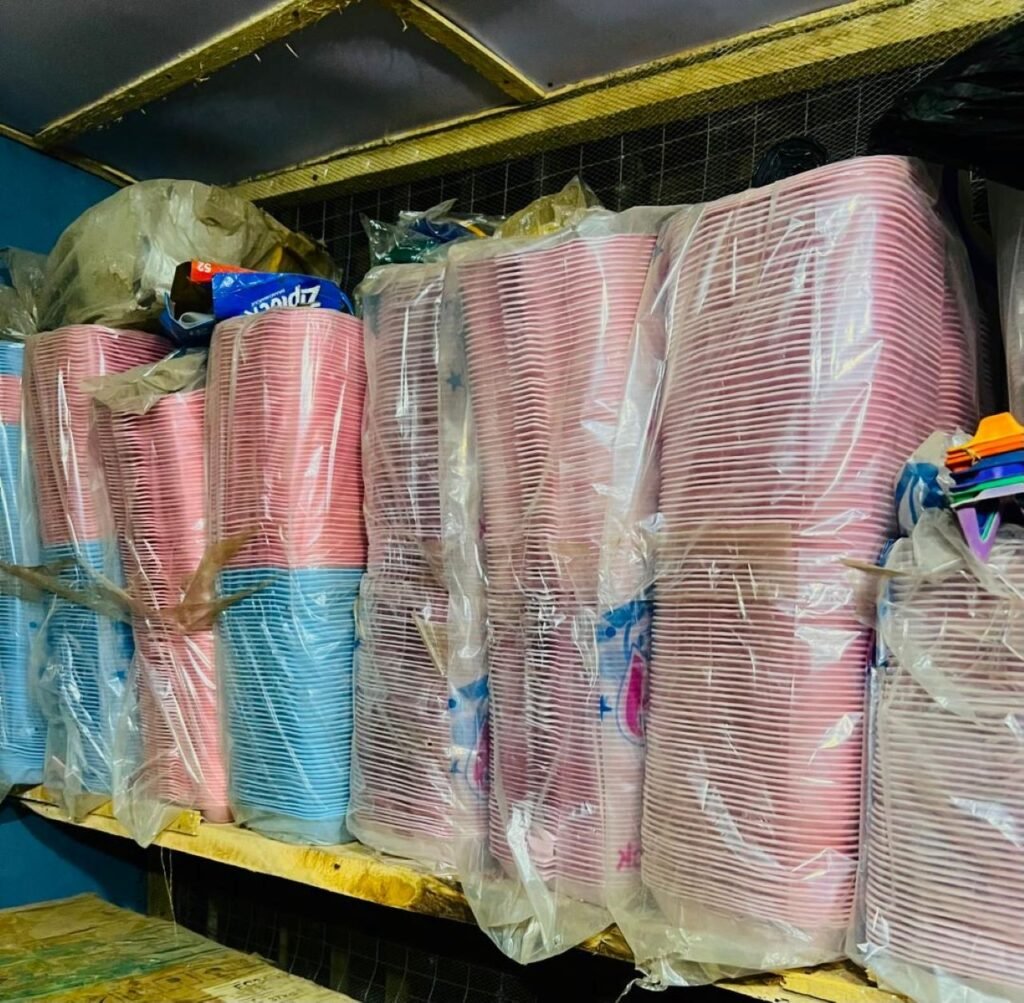
Ogun State has become a focal point in the regional debate over single-use plastics (SUPs) as it remains the only state in the corridor resisting an outright ban on styrofoam. While neighboring Lagos and Oyo states have moved to phase out these materials citing severe environmental and health risks, Ogun continues to favor a “waste-to-wealth” recycling model, leading to concerns that the “Gateway State” is becoming a dumping ground for prohibited products.
The Regional Ban Landscape (As of April 2026)
| State | Status | Key Action |
| Lagos | Banned | Full enforcement began July 1, 2025; warehouses are being sealed. |
| Abia | Banned | Immediate ban on styrofoam food containers effective early 2024. |
| Oyo | Phasing Out | The Single-Use Plastic Prohibition Bill 2026 aims for a total ban by 2027. |
| Ogun | Legal | No ban in sight; focusing on “Plastic for Cash” and “Blue Box” recycling. |
The “Not for Lagos” Loophole
A startling discovery in Abeokuta markets has highlighted the legal gymnastics of manufacturers. Fresh stocks of popular juice brands, produced as recently as February 2, 2026, now carry a prominent disclaimer: “NOT FOR LAGOS.” According to Prof. Dosu Malomo, a Professor of Polymer Chemistry at FUOYE, these stamps serve as a “calculated legal shield.” Since the pouches or straws violate Lagos’s strict micron and recyclability laws, producers explicitly label them for states like Ogun, where such regulations do not yet exist.
Conflicting Views on Health and Safety
The stance of the Ogun State government has drawn sharp criticism from the scientific community:
- The Government’s Defense: Commissioner for Environment Ola Oresanya maintains that styrofoam is “stable and safe” for food as long as it is not exposed to extreme heat (above 1,600°C). He argues that standard food temperatures (around 100°C) are insufficient to release carcinogenic toxins like furans and dioxins.
- The Expert Warning: Prof. Malomo vehemently disagrees, noting that styrene and benzene (the building blocks of styrofoam) are aggressive carcinogens. He warns that even at 100°C, or especially during microwaving, these toxins leach into food. “If someone feeds on that for just six months, the bio-accumulation begins to trigger carcinogenic changes,” he told DAILY POST.
Recycling vs. Reality in Ogun
Ogun State currently generates over 1.6 million metric tonnes of waste annually. While the state boasts eight recycling companies processing about 2,000 metric tonnes of plastic daily, critics argue this is a drop in the ocean.
For the average consumer like Pelumi, a resident of Abeokuta, the choice remains economic. A styrofoam plate (popularly called fukè fukè) costs roughly ₦100, compared to ₦300 for safer reusable alternatives. For many struggling with the cost of living, the immediate financial saving outweighs the long-term health risk, often summarized by the local adage: “something must kill a man.”
As distributors continue to move their “Lagos-banned” stocks across the border, environmentalists are calling for a National Ban from the Federal Ministry of Environment to prevent a fragmented and ineffective regulatory landscape.

As a contributor to digital news portals, I create content that highlights real-world experiences and evolving viewpoints. My writing combines clarity with relevance to engage readers effectively. I am committed to delivering content that is both informative and relatable.


