
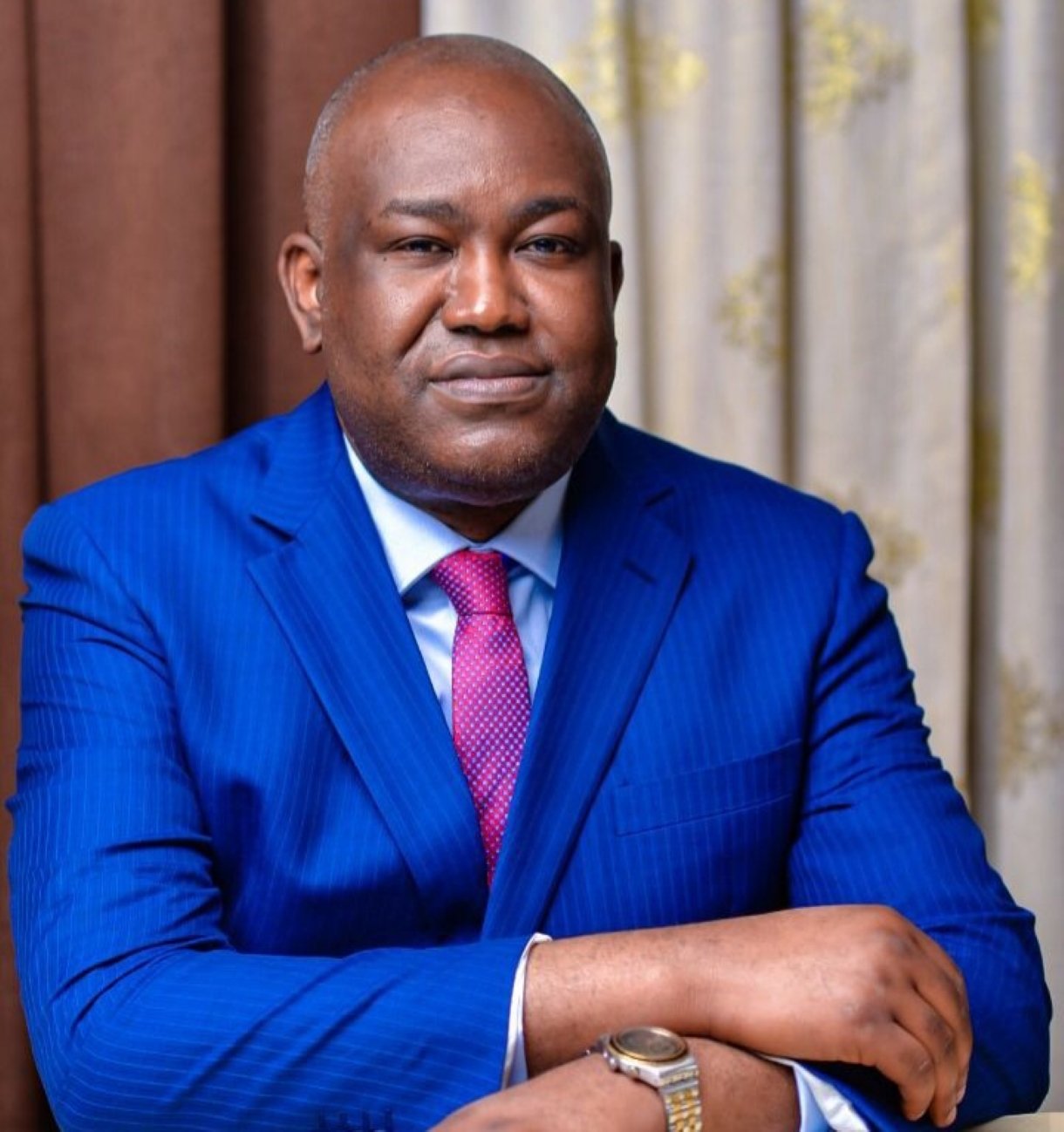

Gbenga Olawepo-Hashim, a prominent chieftain of the Peoples Democratic Party (PDP), has questioned the historical role of President Bola Ahmed Tinubu during Nigeria’s struggle against military rule, alleging that the President was absent from the domestic front during critical periods of the democratic struggle.
Speaking during a live appearance on the Channels Television program Sunday Politics, Olawepo-Hashim asserted that while key founders of the PDP and civil society leaders were confronting the military junta within Nigeria, many of those currently in power were in self-imposed exile. The PDP chieftain’s comments were aimed at highlighting the resilience and foundational strength of his party compared to the contemporary political leadership.
“When we fought the military, President Bola Tinubu was one of the people drinking cognac abroad,” Olawepo-Hashim stated during the interview. “He was not here.”
The PDP leader provided a personal account of the events surrounding the transition from military to civilian rule in the late 1990s. He recalled his involvement with the G-34, a group of eminent Nigerians who famously challenged the late General Sani Abacha’s transition program, as well as his interactions with former military President General Ibrahim Babangida.
Olawepo-Hashim noted that on the day General Abacha died in June 1998, he was actively engaged in high-stakes negotiations for the “new Republic” alongside civil society groups. He emphasized that during this period of heightened tension—characterized by the movement of tanks and the threat of military suppression—many of the founding fathers of the PDP were languishing in prison for their opposition to the junta.
The statement touches on a long-standing debate within Nigerian political circles regarding the “June 12” struggle and the roles played by various actors. While President Tinubu is widely recognized for his financial and diplomatic support of the National Democratic Coalition (NADECO) from abroad after fleeing the country in 1994, Olawepo-Hashim’s remarks underscore a perspective that prioritizes the risks taken by those who remained on the ground.
The PDP chieftain argued that the historical sacrifices of his party’s founders should not be overshadowed by current political narratives. He maintained that the PDP’s origin as a broad-based movement against military autocracy remains a core part of its identity, despite the party’s shift into the opposition following the 2015 general elections.
As of Sunday evening, the Presidency has not issued an official response to Olawepo-Hashim’s specific allegations. Historically, aides to the President have defended his time in exile as a strategic necessity to mobilize international pressure against the Abacha administration, citing his involvement in Radio Kudirat and other pro-democracy initiatives.
This exchange comes amid intensifying political rhetoric as parties begin to align their historical narratives ahead of future electoral cycles. Analysts suggest that such debates over “democratic credentials” are likely to become more frequent as the nation reflects on its political evolution and the legacies of its contemporary leaders.

As a contributor to digital news portals, I create content that highlights real-world experiences and evolving viewpoints. My writing combines clarity with relevance to engage readers effectively. I am committed to delivering content that is both informative and relatable.


