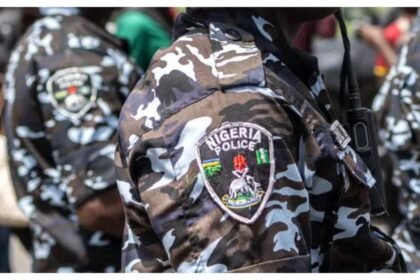
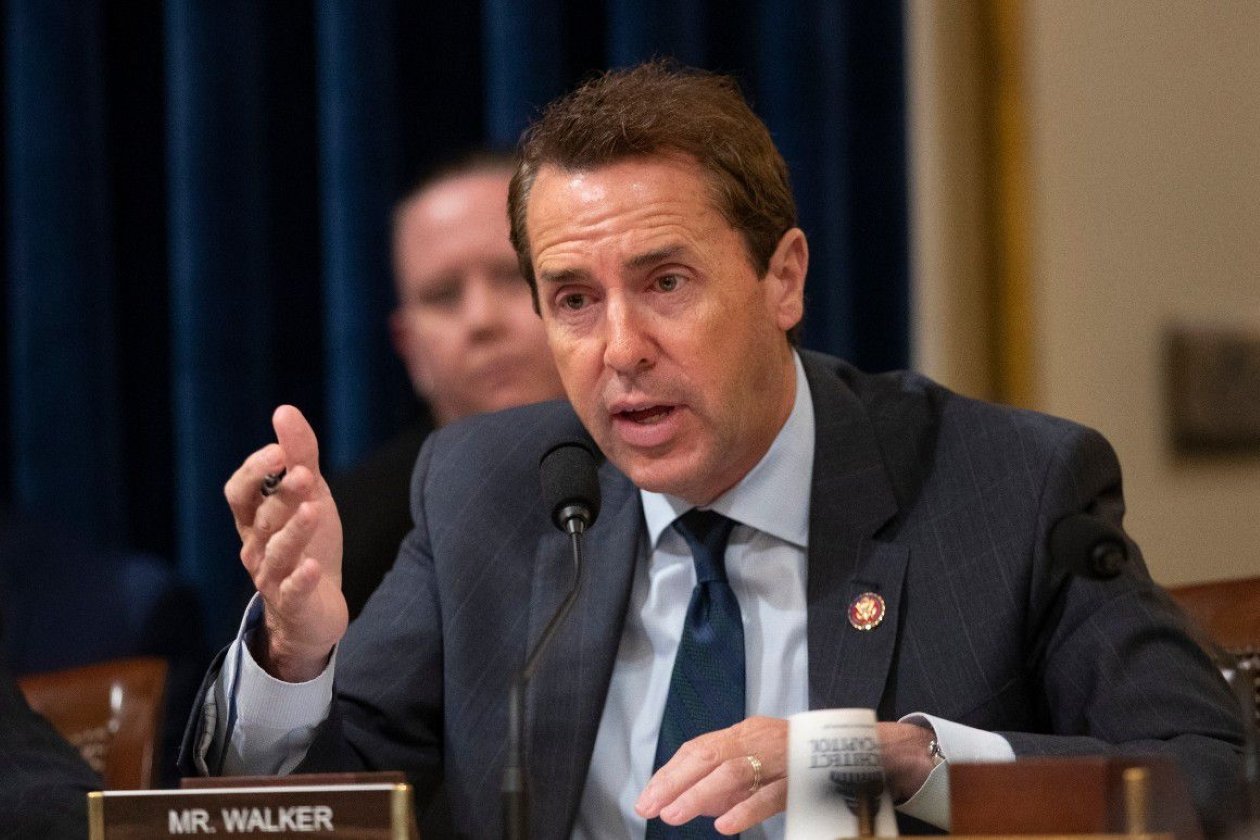

The United States government has announced a significant new visa restriction policy targeting individuals responsible for or complicit in violations of religious freedom in Nigeria. The move, announced Friday by Mark Walker, the US Principal Advisor for Global Religious Freedom, signals a hardening of Washington’s stance toward the ongoing security crisis and religious persecution in West Africa.
The New Visa Policy
The restrictions are being implemented under Section 212(a)(3)(C) of the Immigration and Nationality Act. This legal provision allows the US State Department to deny visas to individuals who have:
- Directed, authorized, or significantly supported mass killings.
- Participated in or carried out severe violations of religious freedom.
- The policy also extends to the immediate family members of such individuals, where deemed appropriate.
In a statement posted on X (formerly Twitter), Mark Walker emphasized that the policy specifically addresses atrocities committed by “radical Islamic terrorists, Fulani ethnic militias, and other violent actors.” He noted that the United States “cannot stand by” while religious communities—particularly Christians—are targeted in Nigeria and beyond.
A Shift in US-Nigeria Relations
This announcement follows a series of aggressive diplomatic and military steps taken by the Trump administration in early 2026:
- CPC Designation: In late 2025, the US redesignated Nigeria as a “Country of Particular Concern” (CPC) under the International Religious Freedom Act, a label previously removed during the Biden administration.
- Military Threats: President Trump has recently ordered the Pentagon to begin planning for potential military action against terrorist targets in Nigeria, citing the failure of the local government to protect vulnerable populations.
- Legislative Pressure: In February 2026, the Nigeria Religious Freedom and Accountability Act was introduced in the US House of Representatives, seeking tougher oversight and potential asset freezes against Nigerian officials linked to violence.
Impact and Implementation
While the State Department has not yet released a public list of individuals affected by the ban, the policy is intended to put pressure on both non-state actors and government officials who may be turning a blind eye to communal violence.
The Nigerian government has previously pushed back against such measures, with the Ministry of Foreign Affairs insisting that the conflict is primarily driven by land disputes and climate change rather than systemic religious persecution. However, the US State Department’s new “Principal Advisor” role—a position assumed by Walker in January 2026—appears designed to bypass traditional diplomatic channels to focus exclusively on religious liberty.
This visa ban is expected to affect a wide range of individuals, from local militia commanders to political figures suspected of fueling ethnic and religious divisions for electoral gain. It remains to be seen how the Nigerian government will respond to this latest sanction, which comes at a time of heightened political maneuvering ahead of the 2027 general elections.

As a contributor to digital news portals, I create content that highlights real-world experiences and evolving viewpoints. My writing combines clarity with relevance to engage readers effectively. I am committed to delivering content that is both informative and relatable.