


The 2026 Nationwide Intercollegiate Athletic Video games formally opened on Would possibly 2d, hosted by way of the newly established Sports activities Management and arranged by way of Nationwide Central College (NCU). Focused at the theme “Run Fearless ; Run Green,” this 12 months’s Video games spotlight the more youthful era’s braveness to tackle demanding situations and their dedication to environmental and social duties. A complete of 143 universities and schools national are collaborating, bringing in combination greater than 12,000 student-athletes to compete for most sensible honors whilst injecting recent momentum into Taiwan’s sports activities building and sustainable long run.
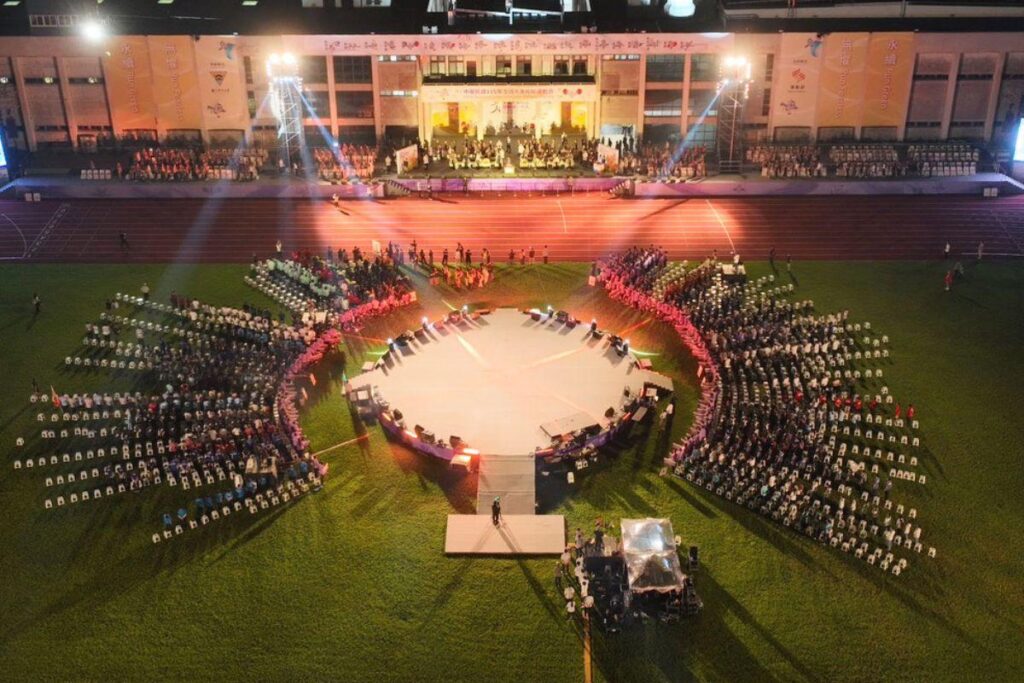 The hole rite of the one hundred and fifteenth Nationwide Intercollegiate Athletic Video games used to be held at Nationwide Central College, drawing a crowd of 1000’s and making a grand and impressive scene.
Prominent visitors attending the hole rite incorporated Premier CHO Jung-Tai, Sports activities Management Minister Lee Yang, Minister of Setting Peng Chi-Ming, Taoyuan Town Deputy Mayor Su Jun-Pin, and NCU President Hsiau Shu-San, amongst different outstanding figures.
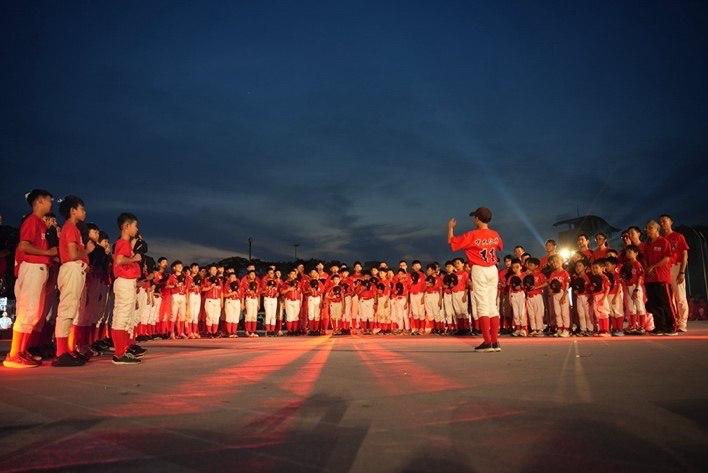 The NCU “Red Socks” choir, comprising over 100 participants, delivered an impressive rendition of the nationwide anthem, bringing the ambience to its top.
Probably the most talked-about highlights used to be the torch relay rite, which the flame first ignited within the Arctic. The ritual used to be additional enriched by way of incorporating the normal “Mayasvi” of the Tsou Indigenous other people from Alishan as a blessing rite. This symbolic adventure—from the Earth’s polar area again to Taiwan’s cultural roots—used to be reworked right into a transferring and significant efficiency all through the hole rite. Including to the festive environment, the Rakuten Women cheerleading squad delivered an vigorous efficiency, whilst well-liked bands together with PAPUN BAND and NCU’s Purple Sox group took activates degree, bringing the development to a colourful climax.
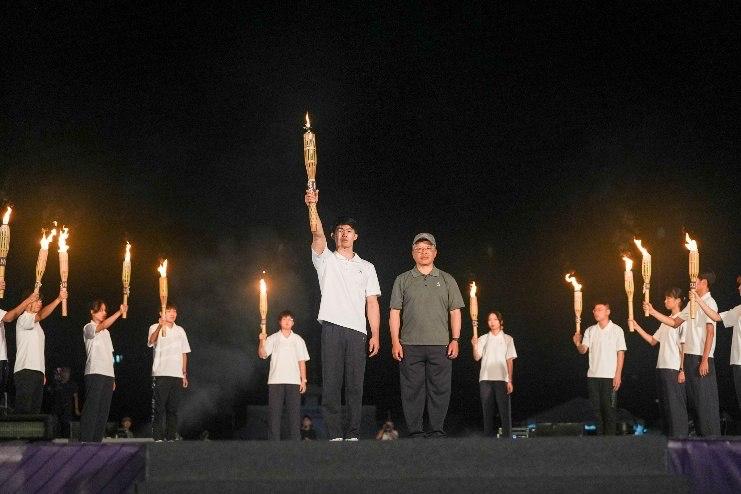 The torch used to be in the end handed to NCU’s gold medal-winning gymnast, Chiou Min-Han , who led the torchbearers in collectively igniting the flame of this 12 months’s Video games.
The rite concluded with the “Three-Generation Torch Relay,” symbolizing the continuity of historical past and honor. NCU alumnus Lin Hsueh-Feng carried the torch from 1988 and handed it to former NCU President Jou Jing-Yang, representing the 2018 Video games, sooner than it used to be passed to present President Hsiau Shu-San, representing the 2026 Video games. The torch used to be then entrusted to NCU’s gold medal-winning gymnast Chiou Min-Han, who led the torchbearers in lights the flame of this 12 months’s Video games. Accompanied by way of impressive lights results, the rite illuminated an excellent pathway—symbolizing how the spirit of recreation continues to conform thru time, now intertwined with the imaginative and prescient of sustainability for a brand new generation.
Information Table


